


I take care of what matters to me — my health is part of it.
Home | The prostate | Prostate diseases
Prostate diseases
The prostate can be affected by various different disorders:
- Prostatitis, an infection of the prostate
- Prostate adenoma, also called benign prostatic hyperplasia; this is an inflammation of the prostate (abnormal enlargement)
- Prostate cancer, a reproduction of abnormal, malignant cells
The number of new cases for these pathologies varies according to age.
Prostatitis
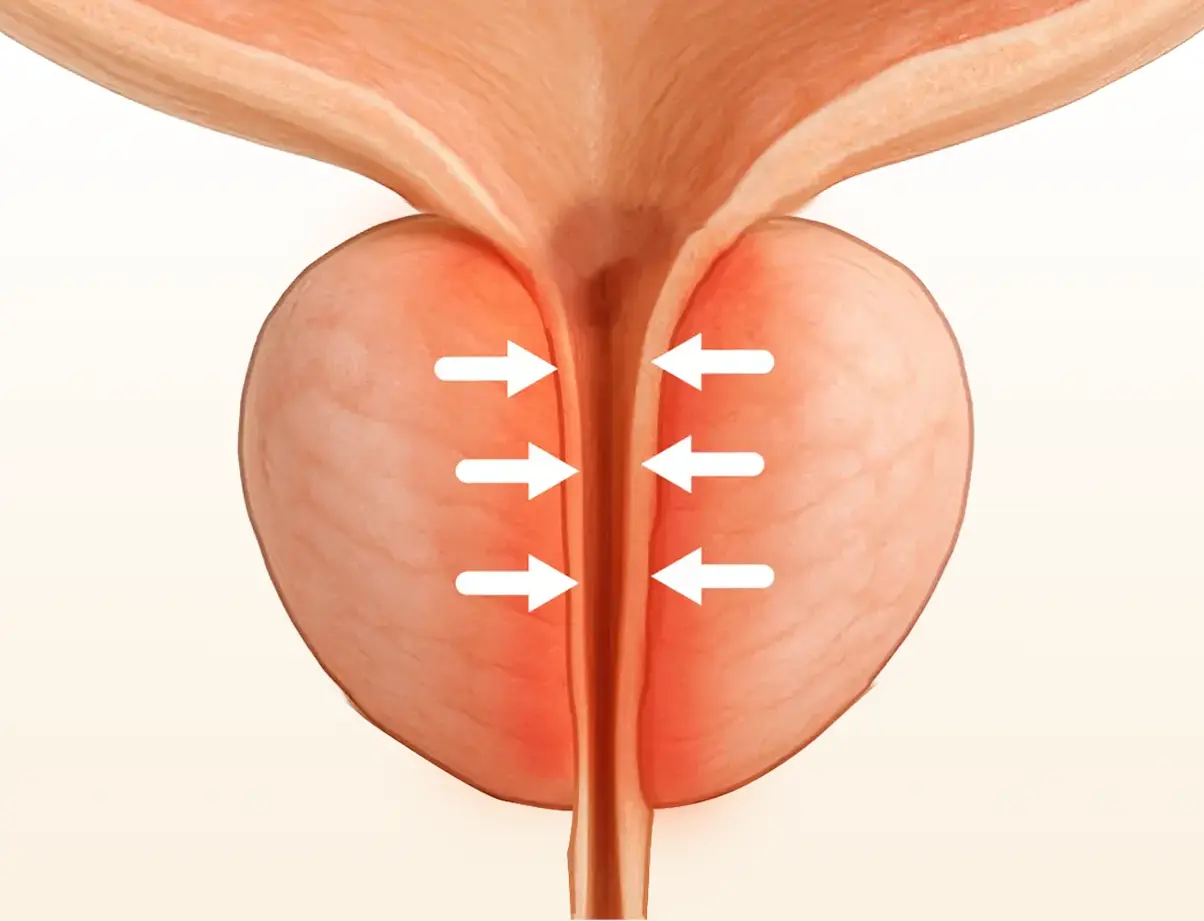
Prostatitis is an acute or chronic infection of the prostate, which usually onsets in young men aged between 30 and 50 years old. Located at the crossroads of the male urinary and genital tracts, the prostate can become inflamed due to bacterial contamination of the urethra or an infection affecting the entire urinary system (bladder, urethra, kidneys), which may lead to prostatitis. This condition accounts for 2 million medical consultations each year in France. The most common symptoms include fever, urinary symptoms (burning during urination), pain in the pubic region, muscle aches, or a tender prostate on digital rectal examination.
Prostatitis is treated with antibiotics.
Prostate adenoma
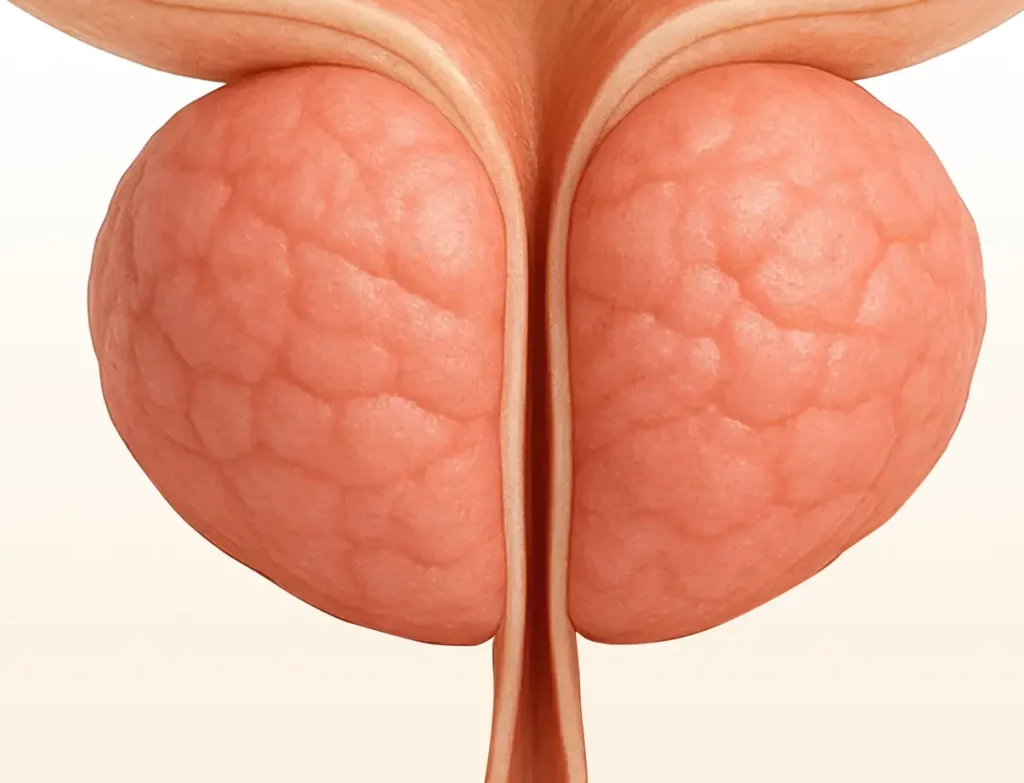
Prostate adenoma, or benign prostatic hyperplasia (BPH), is an abnormal increase in the size of the prostate. This condition is benign and is often diagnosed when it causes urinary symptoms such as frequent urination, urinary leakage, or sexual dysfunction. The swelling of the prostate, known as an adenoma, causes compression of the urethra and leads to these symptoms. Of the 2 million consultations mentioned earlier, half will result in medical treatment for benign prostatic hyperplasia. On average, one in 10 men will require surgical treatment for BPH. The incidence of the condition increases with age: BPH occurs in more than 80% of men over the age of 80. However, the changes caused by this enlargement do not cause problems in all men. In the absence of complications (retention, infection, kidney failure, etc.), medical treatment is the first-line approach. If necessary, a surgical procedure can be performed as a second-line option to restore normal urination.
Prostate cancer
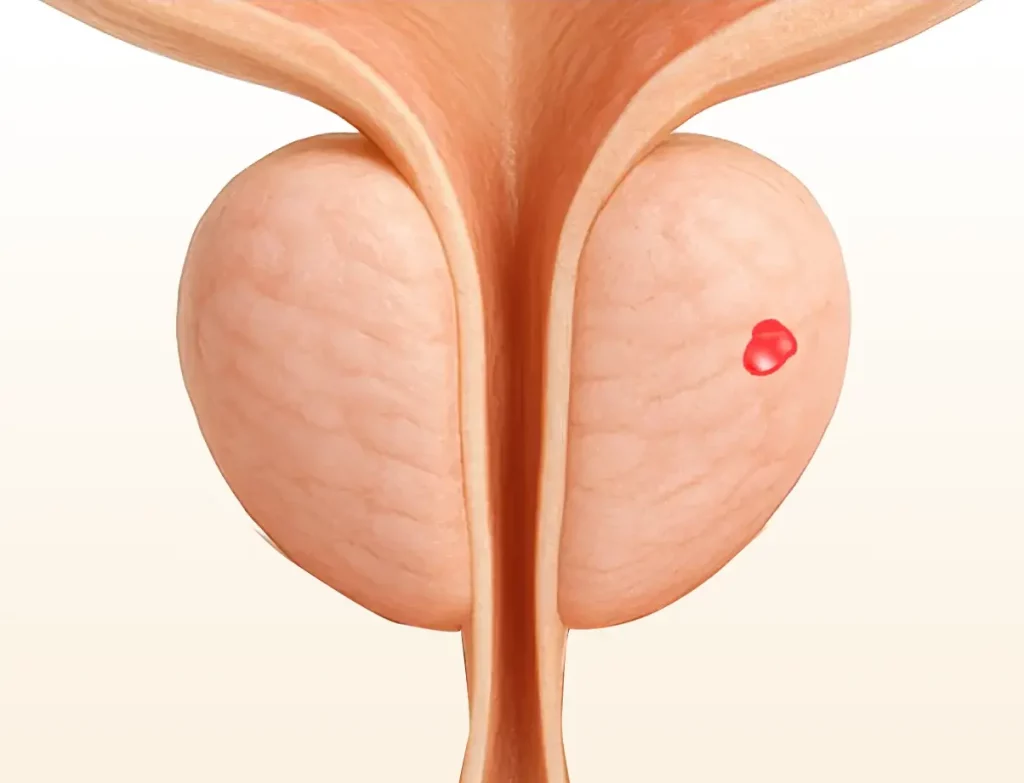
The human body is made up of cells that split and reproduce throughout our lives. Sometimes, the newly created cells are faulty, and when those cells reproduce in turn, they create more and more abnormal and malignant cells. This is referred to as cancer. Most prostate cancers are adenocarcinomas, meaning that they develop from the cells of the prostate lining.
For more information
What is the prostate ?
Its size and volume vary with age, and from one individual to the next. Situated below the bladder and in front of the rectum, the prostate gland surrounds the top part of the urethra (the canal that takes the urine from the bladder to the outside of the body).
Prostate cancer
All organs in the body are made up of cells that are specialised for different functions. There is a continuous process of regeneration through cell division.
Treatments
The treatment strategy is tailored to each individual case. It depends primarily on the characteristics of the cancer affecting the patient: its location, grade and stage.